

The Balancing Act of Allocating Your B2B Marketing Budget
B2B marketing budgets often over-invest in lead generation at the expense of nurturing — this piece makes the case for reallocating spend toward ABM.
B2B marketing budgets often over-invest in lead generation at the expense of nurturing — this piece makes the case for reallocating spend toward ABM.


B2B marketing often neglects the post-handoff phase — this article covers pitfalls like poor personalisation and sales misalignment, and how ABM fixes them.


Gartner research shows sales reps identify only around 30% of a buying committee — sharing website visitor data helps sales and marketing find the rest.


B2B buying decisions can involve up to 30 stakeholders beyond the C-suite — account-based advertising helps identify and engage these hidden influencers.


A six-step guide to planning an ABM budget: identify target accounts, set clear objectives, prioritise spend by deal value and align closely with sales.

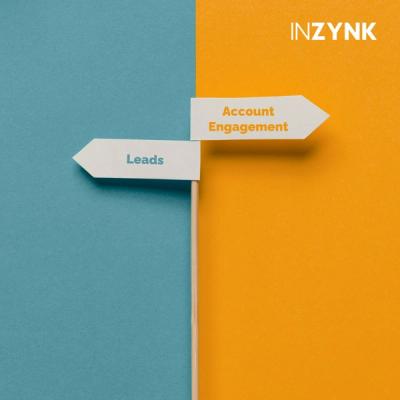
This article argues B2B marketers should measure account-level engagement — content interaction, site visits, dwell time — rather than lead volume alone.


Getting sales onboard with ABM means aligning on target accounts, sharing engagement data and demonstrating impact through sales-marketing collaboration.


Gartner finds buyers spend just 17% of B2B deal time meeting vendors — InZynk explains how a sales rep's digital twin keeps your message present.


Choosing accounts for an ABM programme takes sales-marketing collaboration and data, not gut feeling — key questions include deal value and pipeline stage.


B2B marketers should track ABM-specific metrics — account prioritisation, outbound efficiency, engagement and deal lift — rather than CPM, CTR or lead counts.